Forty people in a room built for two hundred. But they're all listening. That's a different kind of show — harder in some ways, better in others.
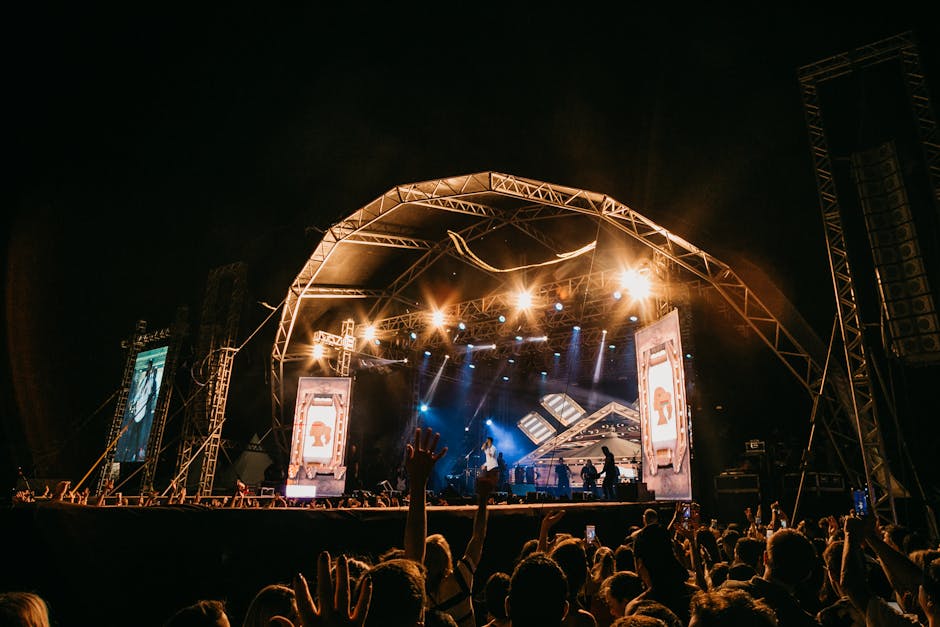
I've been to a lot of shows in rooms that were too big for the crowd. The empty space does something to the sound and to the performer. The sound gets lost in the air. The performer has to work harder to fill a room that the audience isn't filling. It's a specific kind of loneliness that has nothing to do with the quality of the music.
But the forty people who showed up — they chose to be there. They drove or took the train or walked. They paid for a ticket or they didn't, but they came. And in a room that's mostly empty, the people who came are visible to each other in a way they're not in a sold-out show. You can see who's listening. You can see their faces.
The performer can see their faces too. That changes everything.
I've talked to musicians about this — the specific quality of a show to a small, attentive crowd versus a large, distracted one. The consensus is consistent: the small attentive crowd is harder to play to and more rewarding. Harder because there's nowhere to hide. More rewarding because the connection is real.
The jeremydeanmusic world is full of this kind of show. The singer-songwriter circuit is not a circuit of sold-out rooms. It's a circuit of rooms that are sometimes full and sometimes not, and the music has to work in both conditions. The music that only works in a full room is not the music that lasts.
There's something at sound and music about the acoustic difference between a full room and an empty one. A full room absorbs sound differently. The bodies in the room change the reverb. A half-empty room has a different acoustic signature — more reflective, more exposed. The music sounds different. The performer sounds different. You can hear things you can't hear in a full room.
The music culture conversation about success is almost always about numbers. Ticket sales. Streams. Followers. The half-empty room doesn't look like success by any of those metrics. But the forty people who came and listened and stayed for the whole set — that's a different kind of metric. One that doesn't show up in the analytics.
The honest music writing I've been reading lately is about this — the gap between what success looks like and what it feels like. The full room can feel empty if nobody's listening. The half-empty room can feel full if everybody is.
The show I'm thinking about was in a venue in the Midwest. The room held two hundred. There were maybe fifty people there. The performer played for ninety minutes without a break. Nobody left. At the end, the applause was the loudest I've heard in a long time — not because there were a lot of people, but because every person in the room was clapping as hard as they could.
That's the show. That's the one you remember.