I heard the same song three times last week in three different contexts and it was a different song each time. First in a car, on a long drive, windows down, the song competing with road noise and wind. Then on headphones, late at night, lying down. Then at a show, the artist playing it live, the room small enough that you could hear the guitar pick hitting the strings.
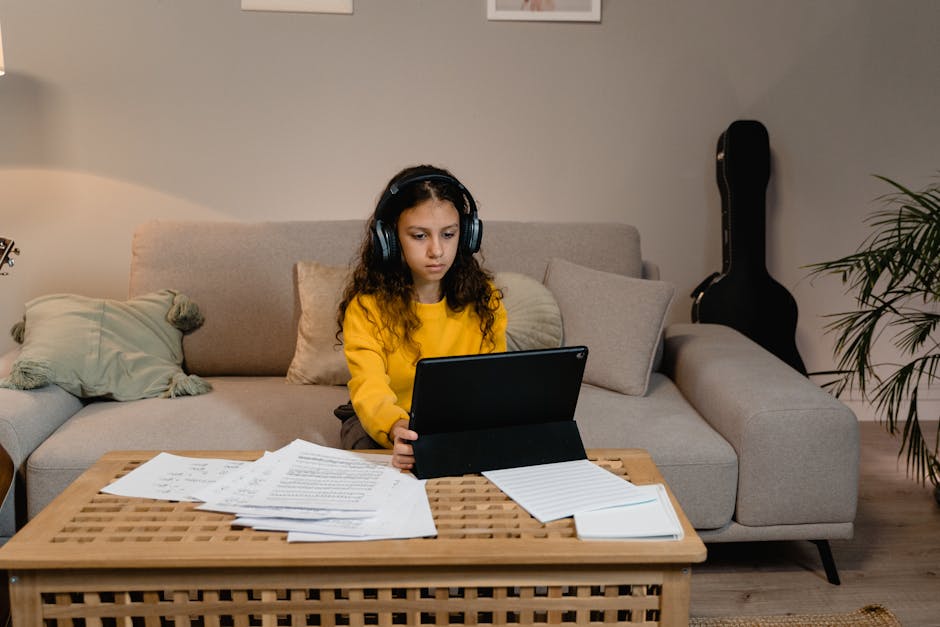
The car version was background. The headphone version was intimate. The live version was something else — the song as a physical event, the sound pressure in the room, the specific quality of a voice in a space that wasn't designed for it.
The sound experiments sound experiments angle on this is that the listening context is part of the composition. Not in a theoretical way — in a practical, physical way. The same frequencies behave differently in a car versus a room versus headphones. The mix that works in one context fails in another. Most songs are mixed for one context and heard in all of them.
What the live version revealed: the song was written for a room. The arrangement — sparse, the guitar doing most of the work — made sense in a space where you could hear the room itself. The reverb wasn't added in post. It was the room. The headphone version had lost that. The car version had never had it.
The music culture music culture question is whether this is a problem or just a fact. I think it's a fact. Songs travel through contexts. They change. The version you hear is always a version — shaped by the space, the playback system, the time of day, what you were doing when you heard it.
The daily listening practice daily listening practice is partly about this — paying attention to how context shapes reception. The same song at 7am and 11pm is not the same experience. The same song in a car and in a concert hall is not the same song.
The jeremy dean music catalog has songs that work better in some contexts than others. I've started thinking about this at the writing stage. Not "how will this sound on streaming" but "where will people hear this, and what does that mean for what I'm making." It changes some decisions. Not all of them. But some.