The Empty Room
The room was empty. The monitors were wrong. It was the best version of the song he'd played in months.
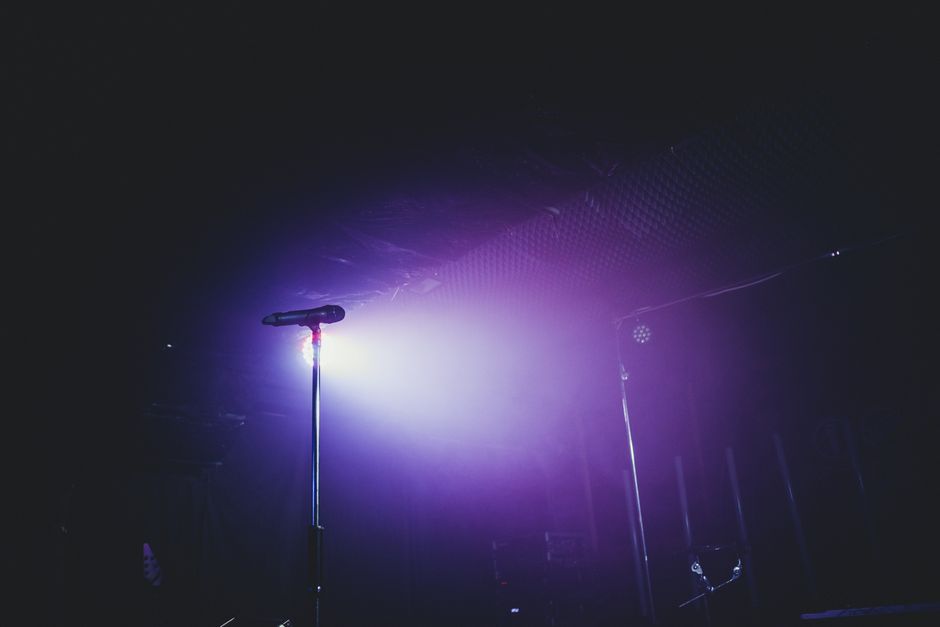
Soundchecks are supposed to be functional. You're checking levels, checking monitors, making sure the PA isn't going to feedback when the room fills up. You're not supposed to be playing. You're supposed to be testing.
But something happens in an empty room. The pressure is gone. There's no one to perform for, no one to disappoint, no one watching to see if you're good. You're just playing the song. And sometimes, in that absence of pressure, the song becomes itself.
The Monitor Problem
The monitors were wrong in a specific way — too much low end, not enough of his voice. He could feel the bass in his chest but couldn't hear himself clearly. In a show, that would be a problem. In a soundcheck, it turned out to be useful.
He stopped listening to himself and started listening to the song. The melody he'd been overthinking for weeks suddenly made sense. He played it differently. Better.
The the music archive has the full music archive. And the production side has some production notes that touch on this — the way constraints can open things up rather than close them down.
The Show
The actual show was fine. Good, even. The room filled up, the monitors got fixed, he played well. But it wasn't the soundcheck.
The soundcheck had something the show didn't. The absence of stakes. The freedom that comes from playing for no one.
The calitoy.com has some thoughts on this — the relationship between audience and performance, and what happens to the work when the audience disappears. And places and sounds has some field notes on places and sounds that map onto this in an unexpected way.
The Lesson
He's started doing longer soundchecks. Not to check levels. To play the songs without anyone watching. The show is for the audience. The soundcheck is for the song.