The Anchor closed in March. Not dramatically — no final show, no farewell night, just a notice on the door one Tuesday that said the lease was up and they weren't renewing. By the time most people heard about it, the equipment was already gone.
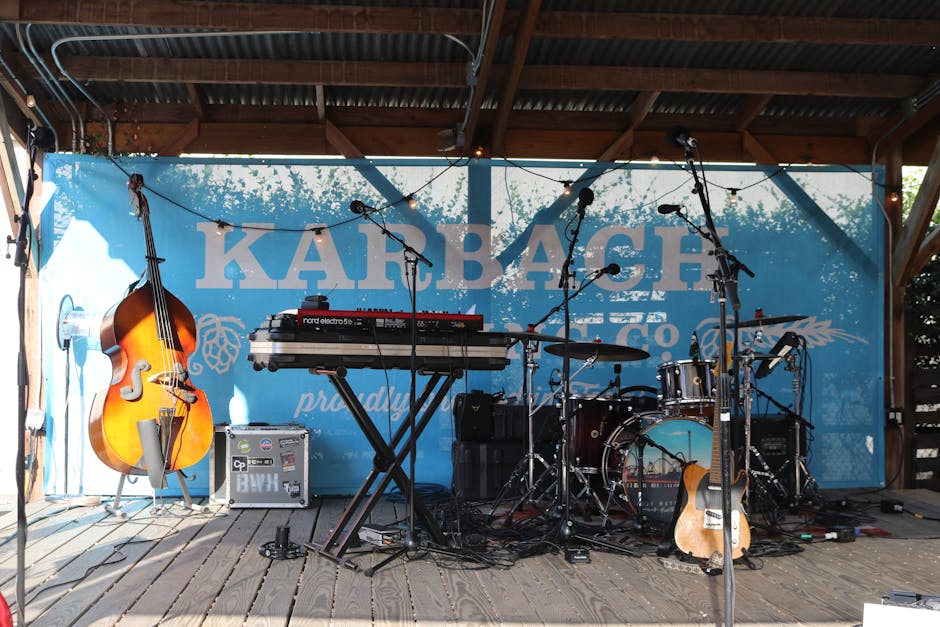
It held maybe 200 people on a good night, which in practice meant 150 because the sightlines were bad from the back and the sound was better if you stood to the left of center. Everyone who went there regularly knew this. It was part of the knowledge you accumulated about a place — the specific geography of where to stand, which bartender was faster, which nights had the best sound.
Small venues like The Anchor are where most of the interesting music happens. Not the music that gets written about — the music that gets made. The bands that are figuring out what they are. The solo artists playing to thirty people and learning how to hold a room. The local acts that have been playing together for years and have developed something specific that you can only see if you show up.
I've been writing about places like this at Jeremy Dean Music for a while, and the pattern is always the same. The venue closes. People are sad. Something else opens in the space — usually a restaurant, sometimes a bar without live music, occasionally another venue that tries to be what the old one was and usually isn't. The scene disperses. Some of it reconstitutes somewhere else. Some of it just stops.
What replaced The Anchor is a cocktail bar. It's fine. The cocktails are good. The space looks better than it did — they fixed the sightlines, which is ironic. But there's no music. The room that used to hold sound now holds conversation, which is a different thing.
The music and sound conversation always comes back to this: the infrastructure for live music is fragile and expensive and doesn't make economic sense in most markets. A venue that holds 200 people is competing for real estate with restaurants and bars that can turn tables faster and don't need a sound system. The math doesn't work in favor of music.
And yet the music happens. It finds spaces — basements, warehouses, the back rooms of bars that are willing to deal with the noise complaints. The scene is more resilient than the venues. But it's also more scattered, harder to find, less visible to people who aren't already plugged in.
The places worth visiting are often the ones that are hardest to find and most likely to disappear. That's not a romantic observation — it's just true. The things that exist outside the economic logic of a city tend to be the things that make the city worth living in, and they tend to be the first things to go when the rent goes up.
I went to The Anchor maybe forty times over five years. I saw bands there that I still listen to. I saw bands there that I've completely forgotten. I saw one show that I think about regularly — a solo set by someone I'd never heard of who played for forty minutes to about twenty people and was one of the best things I've ever seen live. I don't know what happened to them. I never saw them again.
That's the other thing about small venues. They're where you see things that don't get documented. No recording, no review, no Instagram story. Just the thing happening in a room and then being over. The creative culture that matters most is often the one that leaves the least trace.
The Anchor is gone. The cocktail bar is fine. I miss the bad sightlines.